Essay
Abstract History
Abstract History
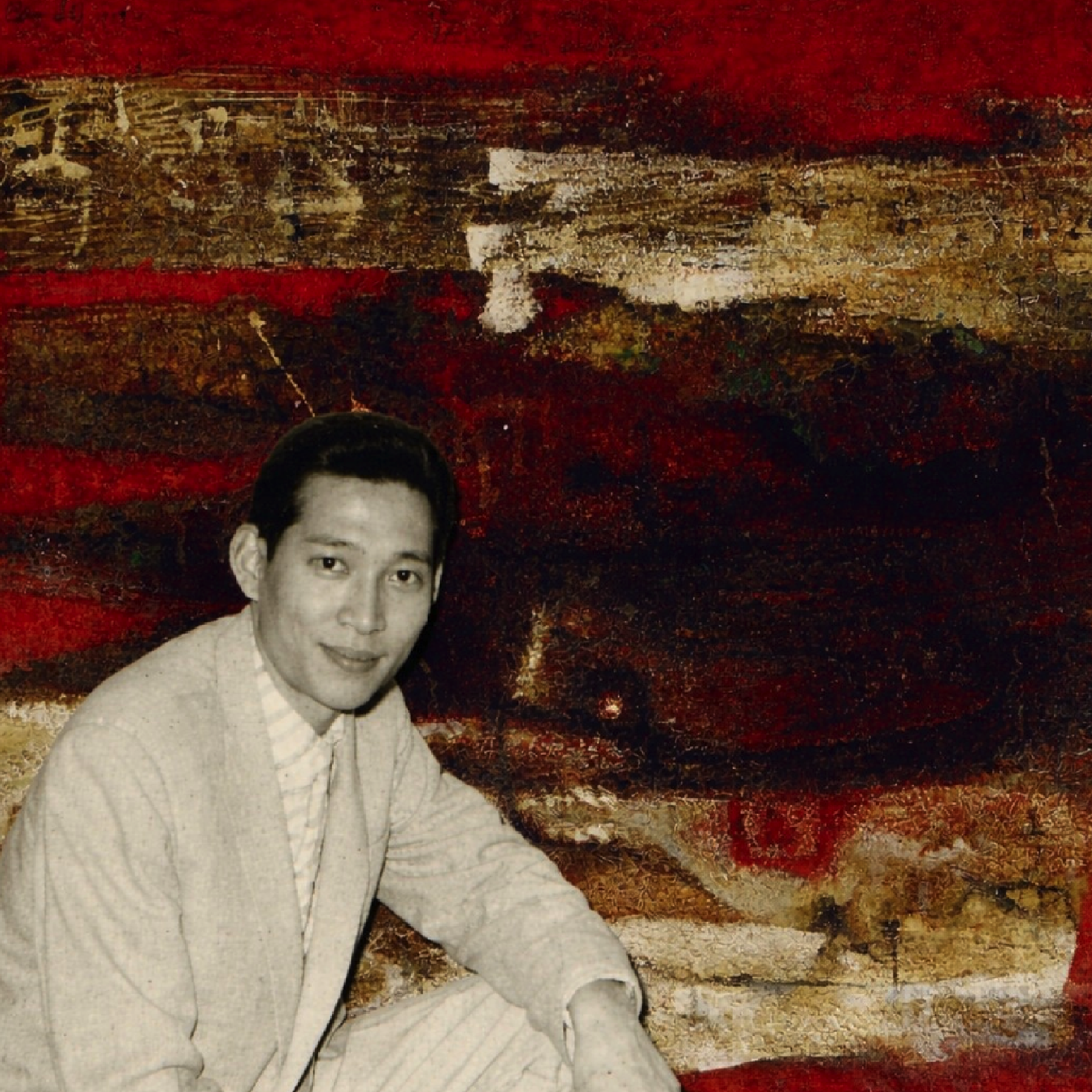
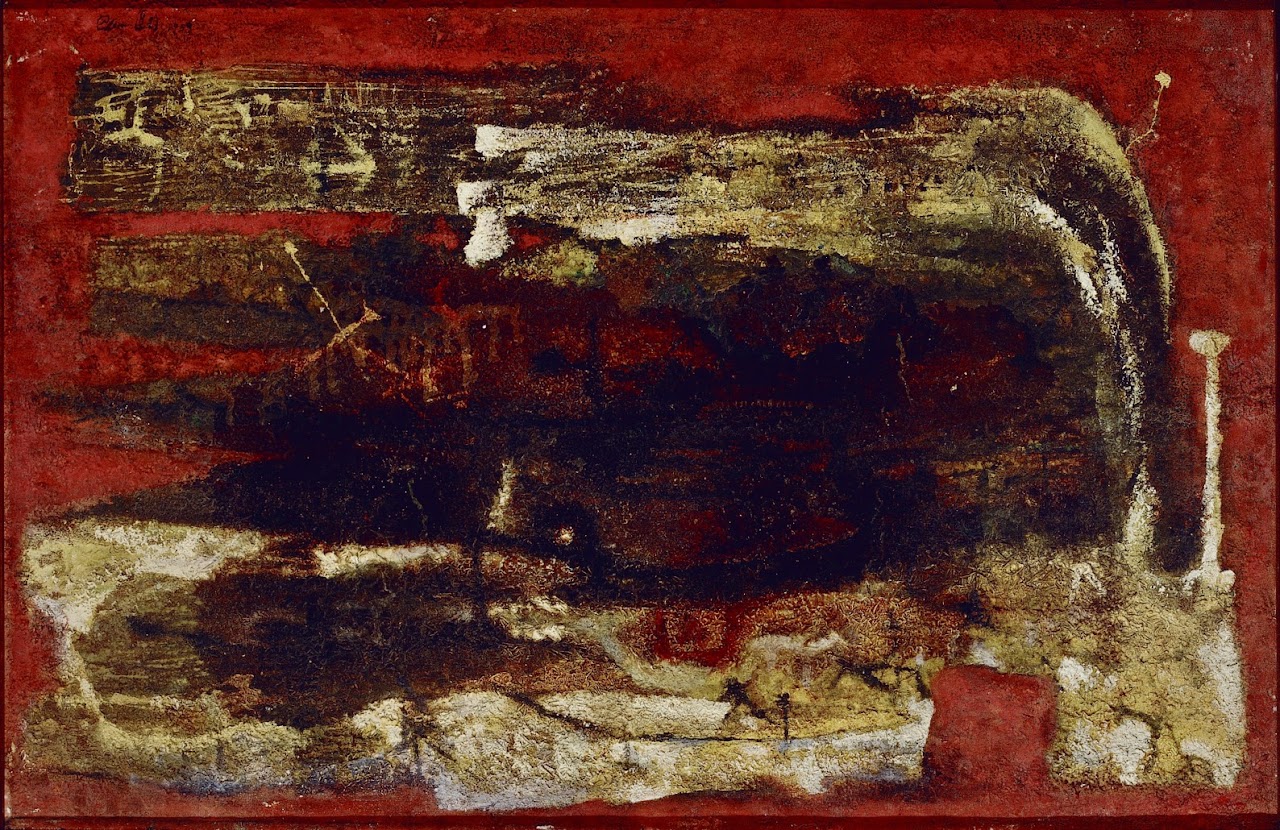
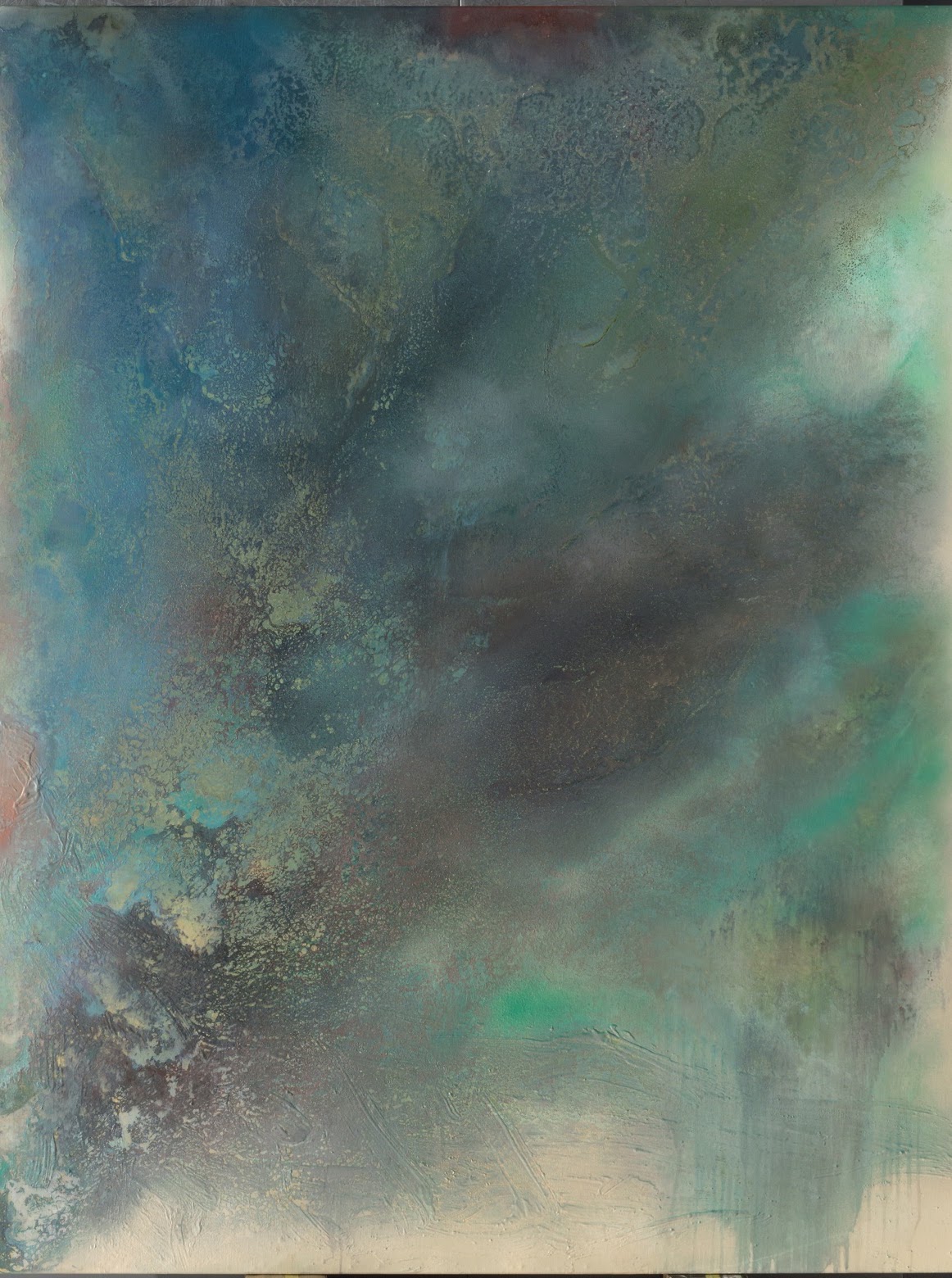
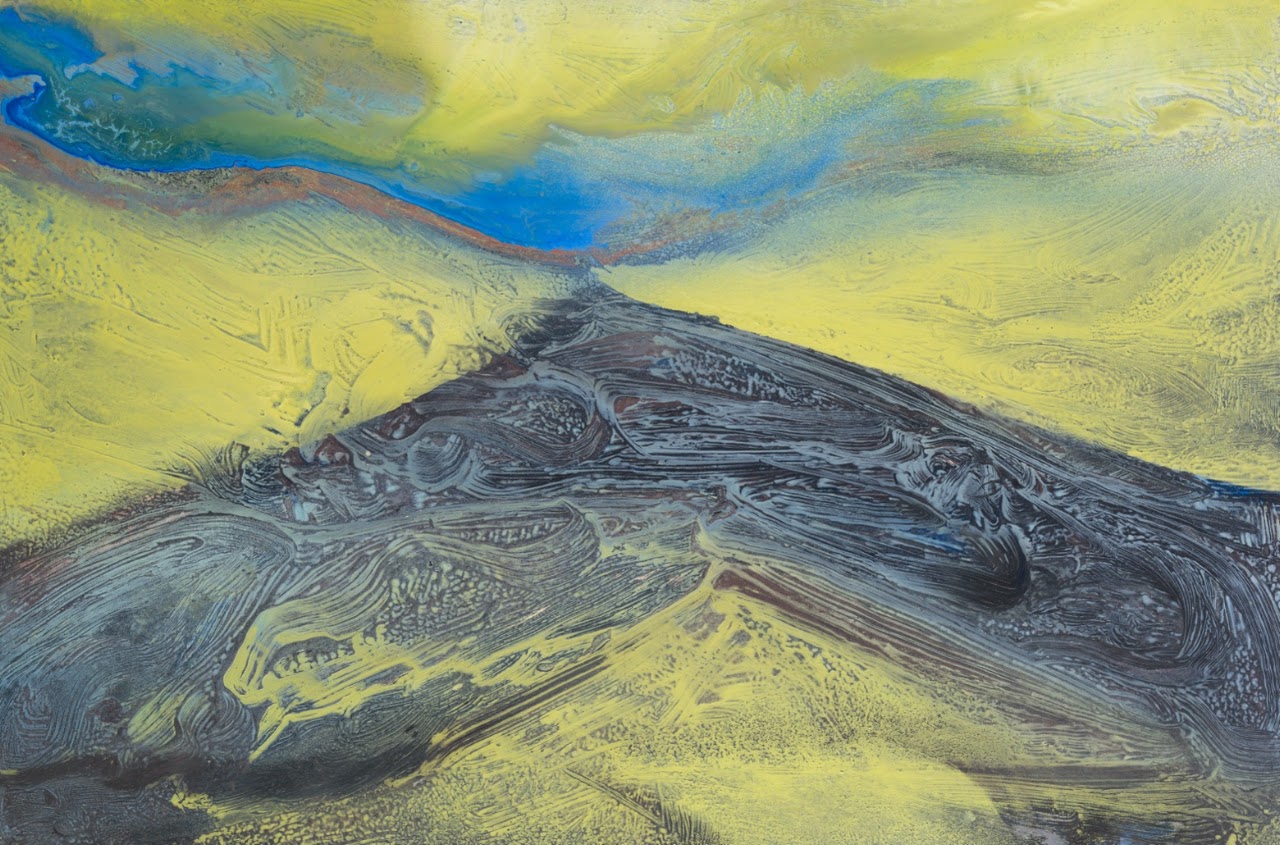
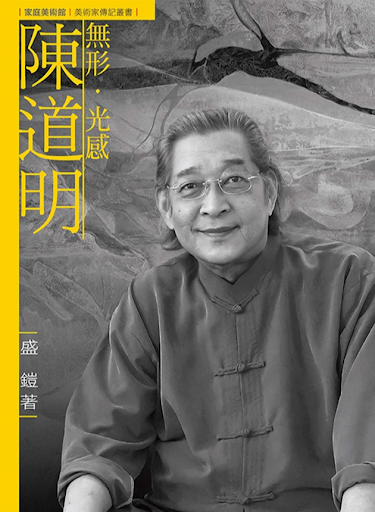
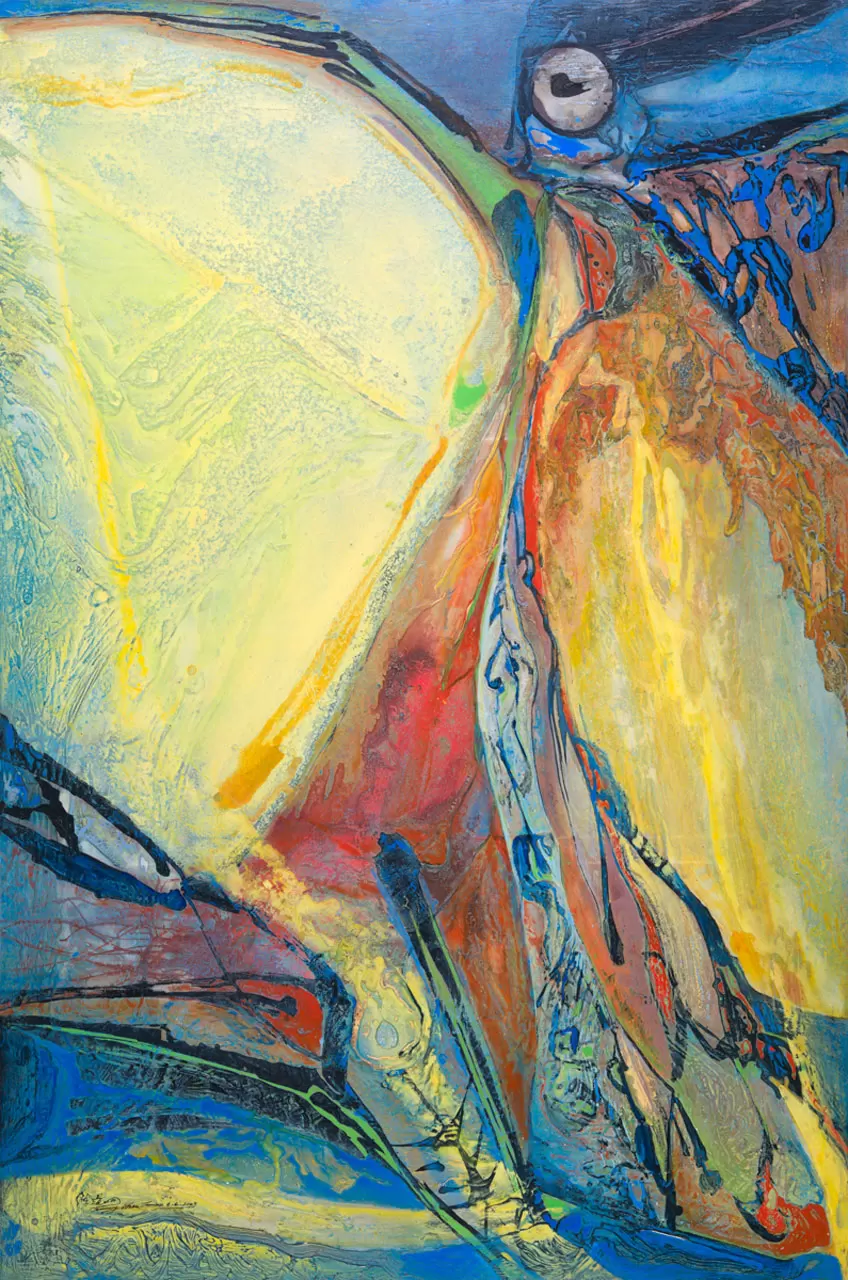
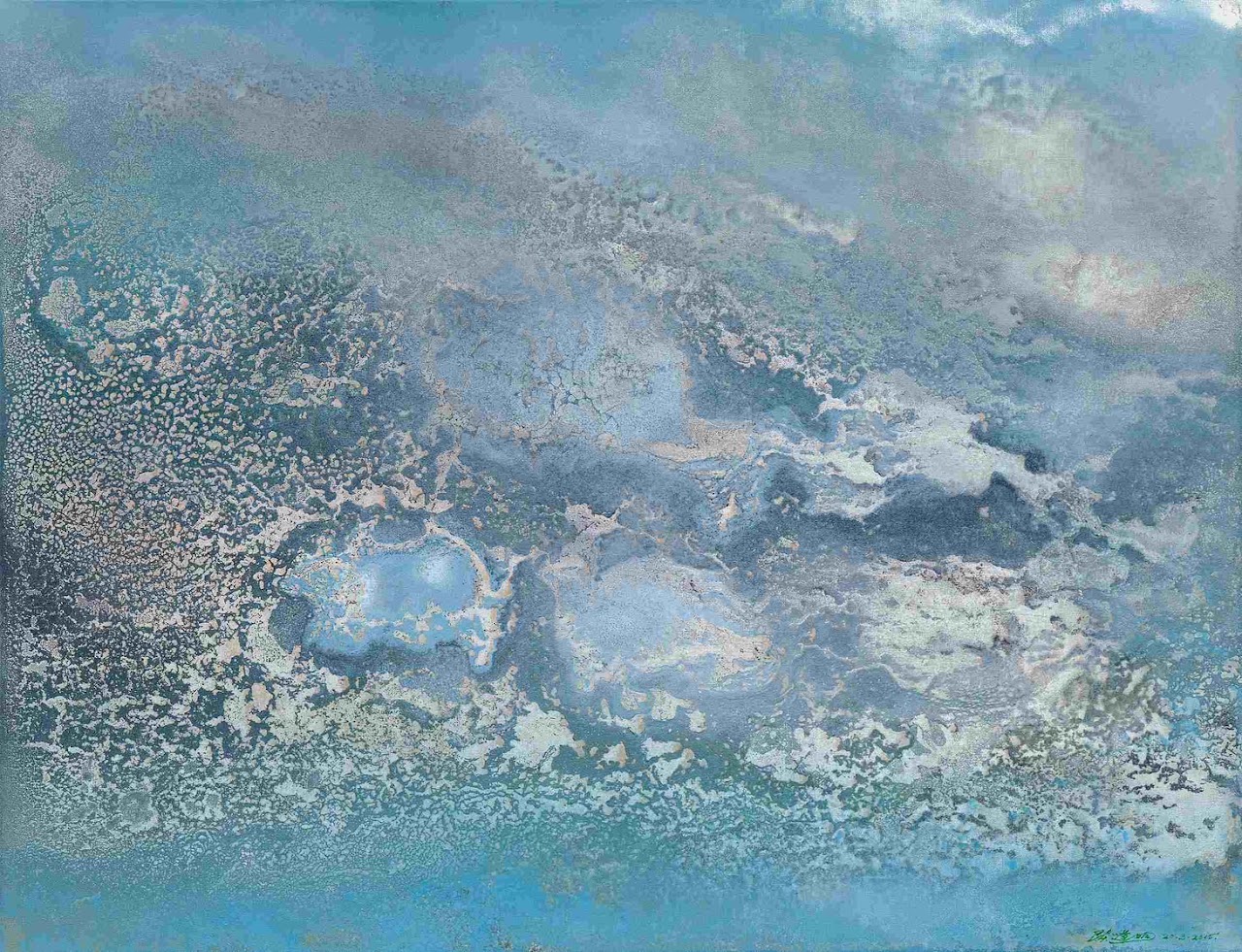
Tao-Ming Chen (1931-2017), an abstract artist best known as Tommy Chen, is a representative Taiwanese art figure on two major counts. Historically, his career paralleled—and helped launch—the country’s postwar modernism; formally, his works exemplify what might be called “hyper-subjective abstraction,” a style closely associated with Taiwan’s midcentury cultural character. Both contributions are based on the artist’s deft synthesis of Eastern and Western aesthetic traditions, skills, and temperaments.
Chen was born in Jinan, Shandong Province, in northwestern China during an extremely volatile period: the 22-year Chinese Civil War (1927-1949), which was exacerbated in mid-conflict by the Japanese occupation of Manchuria (1931) and the Second Sino-Japanese War
(1937-1945). Because Chen’s father was a government official, the family was displaced several times: first southwest to Chongqing (for three months) and Chengdu (two years), then back northwest to Lanzhou (10 years). In 1949, when Mao Zedong and his National Liberation Army triumphed throughout the mainland, Nationalist president-general Chiang Kai-Shek and his followers to depart for Taiwan, where they established an alternative government. The exiled Chen family numbered among its five children the 18-year-old Tommy, who enrolled at the Taipei University of Education.
Open page